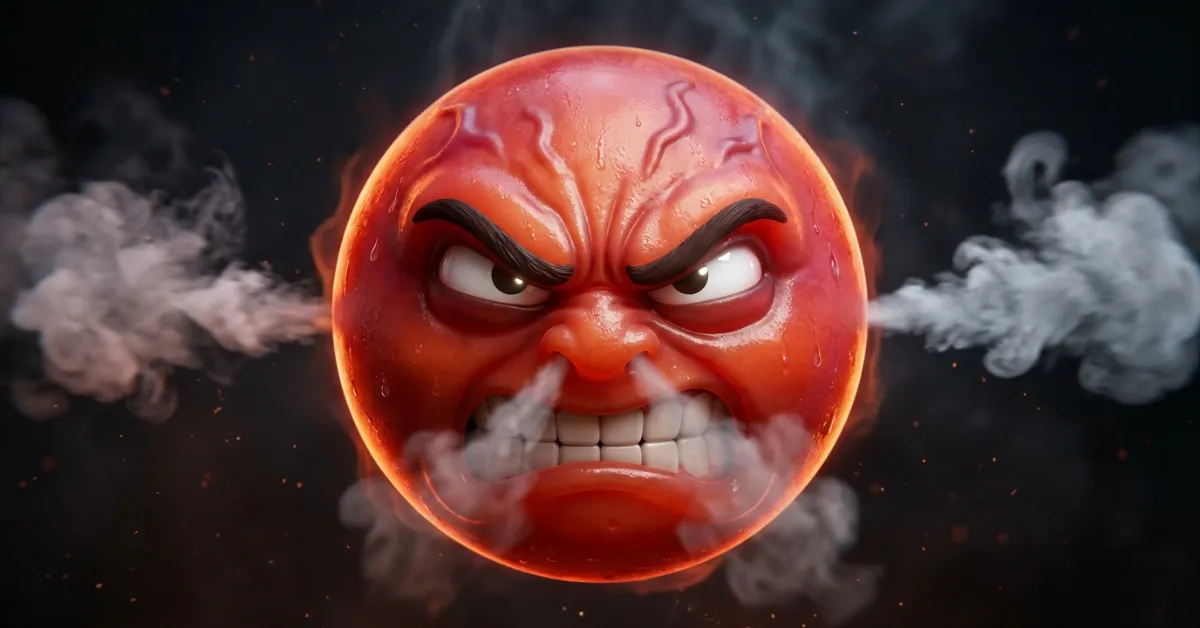
The enraged emoji 😡 is a powerful way to express anger, frustration, irritation, or extreme disappointment in digital conversations.
Its red face, frowning eyebrows, and angry expression make it easy to show strong emotions without writing long messages.
If you are annoyed by something or reacting to an upsetting situation, this emoji speaks loudly.
In this guide, you will explore the enraged emoji meaning, its common uses, and creative ways to share it on WhatsApp, Instagram, and other social media platforms.
What do enraged emoji mean?

The enraged emoji generally represents intense anger, frustration, irritation, or displeasure. People use it when something feels unfair, disappointing, or extremely annoying. However, the exact message can change depending on the conversation and relationship between people.
Several angry and frustrated facial expressions are commonly used alongside the enraged emoji. Here are six popular options and their everyday contexts.
| Emoji | Core meaning | Misread as | Best used when |
| 😡 | Strong anger and frustration | Playful annoyance | Reacting to something seriously upsetting |
| 😠 | Irritation or displeasure | Extreme rage | Expressing mild to moderate anger |
| 🤬 | Intense anger or frustration | Casual joking | Reacting to an extremely frustrating moment |
| 😤 | Frustration and determination | Pride or confidence | Showing you’re fed up |
| 😾 | Angry or displeased cat expression | Ordinary cuteness | Sharing funny pet reactions |
| 😣 | Distress and discomfort | Physical pain only | Expressing an emotionally difficult moment |
The surrounding words matter when interpreting these emoji meanings. A serious complaint may sound stronger with an angry face, while a friendly conversation can make the same expression feel exaggerated and humorous.
😡 Pouting Face
Meaning: Strong anger, frustration, and displeasure.
Example 1: I cannot believe this happened again
Example 2: That situation made me so angry
😠 Angry Face
Meaning: Irritation or unhappiness about something frustrating.
Example 1: I am tired of these problems
Example 2: This is really getting annoying
🤬 Face With Symbols on Mouth
Meaning: Intense anger, often associated with strong language or an angry reaction.
Example 1: I am seriously frustrated right now
Example 2: That was completely unacceptable
😤 Face With Steam From Nose
Meaning: Frustration, determination, or an emotionally charged reaction.
Example 1: I am not giving up today
Example 2: Enough is enough
😾 Pouting Cat
Meaning: An angry-looking cat expression used in playful or humorous reactions.
Example 1: My cat is not happy today
Example 2: Someone stole my favorite seat
😣 Persevering Face
Meaning: Emotional discomfort, stress, or difficulty handling a situation.
Example 1: Today has been a difficult day
Example 2: I am trying to stay patient
😖 Confounded Face
Meaning: Frustration or emotional discomfort during a difficult moment.
Example 1: Nothing is going according to plan
Example 2: I cannot deal with this today
😫 Tired Face
Meaning: Exhaustion and frustration after a demanding experience.
Example 1: This workload is exhausting
Example 2: I need a break from everything
🙄 Face With Rolling Eyes
Meaning: Annoyance or disbelief during an irritating conversation.
Example 1: Here we go again
Example 2: I cannot believe you said that
😒 Unamused Face
Meaning: Displeasure or dissatisfaction with something.
Example 1: That was not funny at all
Example 2: I am not impressed
How to use enraged emoji the right way
Using angry expressions can make digital conversations more expressive, but choosing the right moment is important. A strong reaction may communicate frustration clearly, while excessive use can make a conversation feel aggressive.
WhatsApp: Use WhatsApp emojis in personal chats when expressing genuine frustration or reacting to an annoying situation. A short explanation alongside your reaction can prevent misunderstandings, especially in family and work groups.
Instagram: Add angry expressions to relatable memes, reaction posts, humorous Stories, and creative graphics. Instagram emojis can also help establish a recognizable visual style when used consistently in captions and designs.
TikTok: Use angry expressions in comedy skits, reaction videos, trending challenges, and relatable storytelling. Creators often combine exaggerated facial expressions with humorous captions to make everyday frustrations entertaining.
Dos and don’ts
- Do: Choose an expression that matches the intensity of your feelings.
- Do: Add words when the situation needs clarification.
- Do: Use exaggerated reactions for harmless comedy.
- Don’t: Send angry expressions to intimidate or insult someone.
- Don’t: Use intense reactions in serious conversations without context.
- Don’t: Assume everyone interprets digital expressions identically.
Best enraged emoji combos copy & paste
Want quick reactions for messages and social media captions? These copy paste emojis can help you express frustration, playful irritation, and dramatic reactions without writing a long message.
Romantic
- 😡😒 React when your partner forgets an important plan.
- 😤😣 Express frustration during a difficult conversation.
- 😠🙄 Show playful annoyance after some teasing.
Cute
- 😾😡 Share a funny reaction about an angry pet.
- 😒😣 Describe a slightly frustrating day.
- 😫😤 Complain dramatically about a busy schedule.
Flirty
- 😒🙄 Tease someone who is acting mischievous.
- 😠😾 Make an exaggerated reaction during playful banter.
- 😤😡 Pretend to be annoyed during a funny conversation.
Missing someone
- 😣😒 Express disappointment about being apart.
- 😫😤 Describe how difficult a long-distance day feels.
- 😡🙄 React dramatically when someone takes too long to reply.
Good night
- 😒😫 Complain playfully about having a tiring day.
- 😤😣 Express frustration before finally getting some rest.
- 😾😠 Send a dramatic reaction before ending a conversation.
Romantic emojis and playful combinations can add personality to messages, but a few thoughtful words help communicate your actual feelings.
Trending enraged emoji in 2026
In 2026, expressive facial reactions remain useful in online conversations, reaction memes, short-form videos, and relatable social media content. Angry expressions are particularly suitable for exaggerated storytelling, everyday complaints, and humorous reactions.
These four options offer different styles of expression and are useful in a variety of digital settings.
| Emoji | Why trending | Who uses it | Platform |
| 😡 | Strong visual reaction for dramatic complaints | Meme creators and everyday users | Instagram, TikTok |
| 🙄 | Useful for sarcasm and relatable reactions | Younger users and content creators | TikTok, WhatsApp |
| 😤 | Fits motivational and frustrated captions | Lifestyle creators and casual users | Instagram, TikTok |
| 🤬 | Creates exaggerated reactions in comedy content | Comedy creators and meme fans | TikTok, Instagram |
Creators can also combine these expressions with custom stickers, animated graphics, and reaction templates to make their content more recognizable.
As digital communication continues to evolve, emoji combinations and personalized visual reactions offer people more ways to communicate emotions online.
FAQs:
1. What is the most popular enraged emoji?
😡 is a recognizable choice for expressing strong anger and frustration. People also use 😠 when they want a slightly different angry expression.
2. What does an enraged emoji mean from a girl or boy?
It generally communicates anger, irritation, or playful annoyance, regardless of gender. The surrounding conversation helps reveal whether the reaction is serious or humorous.
3. Why do emojis look different on iPhone vs Android?
Apple, Google, and other platforms create their own emoji artwork. Consequently, facial details, colors, and expressions may look slightly different across devices.
4. Are enraged emojis used differently in other countries?
Yes, cultural backgrounds and communication styles can influence how people interpret angry expressions. A playful reaction in one community might appear rude or overly aggressive in another.
Conclusion
The enraged emoji is a useful way to express frustration, irritation, and dramatic reactions in everyday digital conversations.
Choose an expression that matches your mood and consider how others might interpret it.
If you’re chatting with friends or creating funny social media content, thoughtful emoji use makes communication more expressive.